Running a small business is exciting, but managing everything yourself can become difficult very quickly. One of the areas that often takes more time than expected is payroll. Paying employees correctly, keeping track of working hours, calculating taxes, preparing reports, and maintaining records can become stressful when everything is done manually.
In my opinion, payroll software can make this entire process much easier. Instead of spending hours checking spreadsheets and doing calculations, a small business owner can use payroll software to organize employee information and handle regular payroll tasks more efficiently.
There are many payroll software options available today, so choosing the right one can feel confusing. In this article, I will explain what I look for in payroll software and discuss some of the best options for small businesses.
What Is Payroll Software?
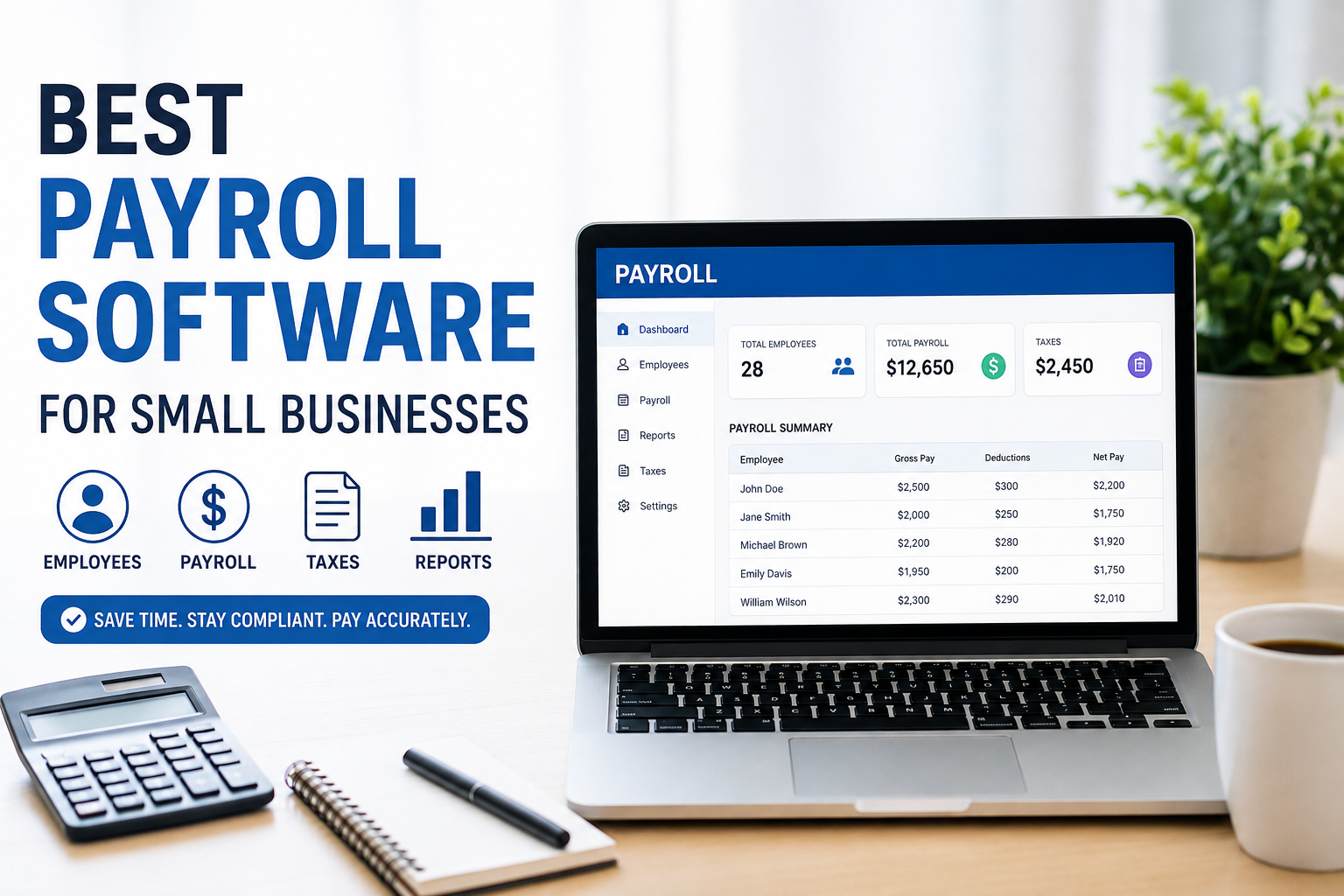
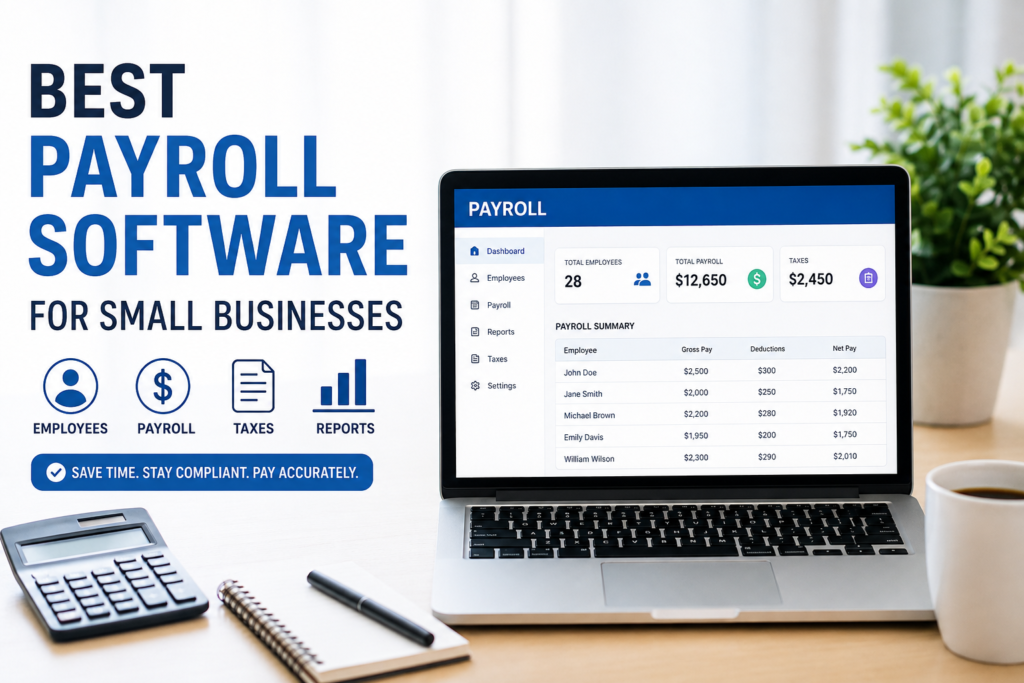
Payroll software is a tool designed to help businesses manage employee payments and related payroll responsibilities. Depending on the software, it can help with salary calculations, employee records, working hours, tax calculations, payment schedules, and payroll reports.
For a small business, this can be especially useful because there may not be a dedicated payroll department. The owner or a small team may have to manage payroll along with many other responsibilities.
I think good payroll software should make payroll simpler rather than create another complicated task. The interface should be easy to understand, and the important information should be available without requiring advanced accounting knowledge.
Why Small Businesses Need Payroll Software
When a business has only a few employees, it can be tempting to manage payroll manually. However, even a small mistake can create problems. An incorrect salary calculation or missing payroll record can lead to confusion between the business and its employees.
Payroll software can reduce the amount of manual work involved. It can also help keep payroll information organized in one place.
Another advantage is time savings. Instead of calculating everything manually every pay period, business owners can automate many repetitive tasks. This gives them more time to focus on customers, marketing, products, and business growth.
From my point of view, saving time is one of the biggest reasons to use payroll software.
What I Look For in Payroll Software
Before choosing payroll software, I recommend looking at several important features.
The first thing I consider is ease of use. If the software is difficult to understand, it may take more time to learn than it saves.
The second important feature is payroll automation. A useful payroll system should make recurring payroll tasks easier and reduce unnecessary manual calculations.
Employee management is another important area. The software should allow businesses to maintain employee information in an organized way.
I also look for reporting features. Payroll reports can help business owners understand salary expenses and maintain better financial records.
Security is equally important. Payroll information can contain private employee data, so the software should provide appropriate security features and access controls.
Finally, I consider pricing. Small businesses usually have limited budgets, so payroll software should provide useful features at a reasonable cost.
QuickBooks Payroll
QuickBooks is one of the most recognized names in small business accounting. Its payroll service is designed to work alongside QuickBooks accounting products, which can make it convenient for businesses already using the QuickBooks ecosystem.
One thing I like about QuickBooks Payroll is that it can bring accounting and payroll activities together. This can reduce the need to enter the same information into different systems.
It can also provide payroll related features such as employee payment management, payroll calculations, and reporting, depending on the selected plan and location.
For a small business already using QuickBooks, I think this can be a practical option because the accounting and payroll experience can feel more connected.
Gusto
Gusto is another popular payroll platform that focuses heavily on small businesses. Its interface is designed to be approachable, which is useful for business owners who do not have extensive payroll experience.
What I like about Gusto is its focus on simplifying payroll and employee management. Depending on the plan and location, it can support payroll processing, employee benefits, hiring related tasks, and other administrative activities.
For a growing small business, having several employee related functions in one place can be useful.
I would consider Gusto particularly suitable for businesses that want a modern interface and an easier way to manage regular payroll responsibilities.
ADP
ADP is a well known payroll and human resources company that serves businesses of different sizes. Its payroll solutions can be suitable for small businesses that expect their employee numbers or payroll requirements to grow over time.
One advantage of choosing an established payroll provider is the range of services available. Businesses may have access to payroll management, employee administration, reporting, and other services depending on their plan.
In my opinion, ADP is worth considering when a small business wants a payroll provider that can potentially support it as the company becomes larger.
However, I would recommend carefully comparing plans and pricing because small businesses should choose services based on their actual needs rather than paying for features they will not use.
Paychex
Paychex is another established payroll and human resources provider. It offers solutions aimed at small and growing businesses.
One thing that makes Paychex interesting is the combination of payroll and broader employee management services. Depending on the selected solution, businesses can get tools for payroll processing, employee information, reporting, and other administrative tasks.
I think Paychex can be a good choice for a business owner who wants more than basic salary processing and expects to need additional employee management features.
OnPay
OnPay is another payroll platform that is often considered by small businesses. It focuses on providing payroll and related employee management tools through an online platform.
For a small company, simplicity can be very important. I think a payroll system should allow the owner to complete regular payroll tasks without needing to become a payroll expert.
OnPay can be worth comparing with other options because its features are aimed at businesses that want payroll and related HR functions in one service.
Wave Payroll
Wave is known for providing financial tools designed with small businesses and freelancers in mind. Its payroll offering can be useful for businesses that already use Wave for their accounting needs.
The main advantage, in my opinion, is the possibility of keeping financial and payroll activities within a familiar ecosystem.
However, payroll features and availability can depend on location. I always recommend checking the current features available in your country before choosing any payroll service.
Important Features for Small Businesses
When comparing payroll software, I would not simply choose the software with the largest number of features. More features do not automatically mean a better solution.
Instead, I would focus on the features that my business actually needs.
Automatic payroll processing is one of the most useful features. It can reduce repetitive work and help maintain a consistent payroll schedule.
Employee self service can also be helpful. If employees can access certain payroll information themselves, they may not need to contact the business owner for every small question.
Time tracking is another useful feature for businesses that pay employees based on hours worked.
Reporting tools are important as well. Clear reports can make it easier to review payroll expenses and maintain financial records.
Mobile access can also be convenient. If the software has a reliable mobile application, business owners may be able to review important information while away from their computers.
Payroll Software and Security
Payroll information should always be handled carefully. Employee information can include financial and personal details, so security should be a major consideration.
When I compare payroll platforms, I would look for features such as secure account access, user permissions, data protection, and regular system updates.
I also recommend using strong passwords and enabling two factor authentication whenever the software provides it.
A business should also limit payroll access to people who actually need it. Not every employee needs access to sensitive payroll information.
How Much Does Payroll Software Cost?
Payroll software pricing can vary significantly. Some services charge a monthly subscription, while others may charge based on the number of employees or payroll frequency.
Some providers also offer different plans with different features. A basic plan may be enough for a very small business, while a growing company may need additional HR or reporting features.
In my opinion, the cheapest option is not always the best option. I would compare the total cost with the amount of time and effort the software can save.
Before purchasing, I would also check for setup fees, additional employee charges, tax filing costs, and other possible expenses.
How to Choose the Right Payroll Software
Choosing payroll software becomes easier when you first understand your business requirements.
Start by asking how many employees you have and how often you process payroll. Then consider whether you need time tracking, employee self service, tax support, accounting integration, or HR features.
I would also check whether the software works in your country and supports the payroll rules that apply to your business.
Another good idea is to use a free trial or demonstration when available. Testing the software before paying can help you understand whether the interface is comfortable and whether the features match your needs.
Customer support should also be considered. If something goes wrong with payroll, getting help quickly can be very important.
Final Thoughts
In my view, payroll software is one of the most useful tools a small business can adopt as it grows. Managing payroll manually may work for a very small operation, but the process can become increasingly difficult as more employees join the company.
QuickBooks Payroll can be attractive for businesses already using QuickBooks. Gusto is worth considering for businesses that want a simple and modern payroll experience. ADP and Paychex can be useful for businesses looking for established providers with broader services. OnPay and Wave can also be worth comparing depending on the company’s requirements and location.
The best payroll software is not necessarily the one with the most features. For me, the right choice would be software that is easy to use, reasonably priced, secure, reliable, and suitable for the actual needs of the business.
Before making a final decision, I recommend comparing pricing, features, support, integrations, and local payroll requirements. A little research at the beginning can save a small business a lot of time and frustration later.
Most importantly, payroll software should make running a business easier. If the software reduces repetitive work and helps keep payroll organized, it can become a valuable part of the business rather than another complicated system to manage.